
Stay Connected
Subscribe for Mental Health Tips Now!
Nunc imperdiet odio et urna dign issim, sit amet sagittis ex que.
Call us anytime
Service Overview
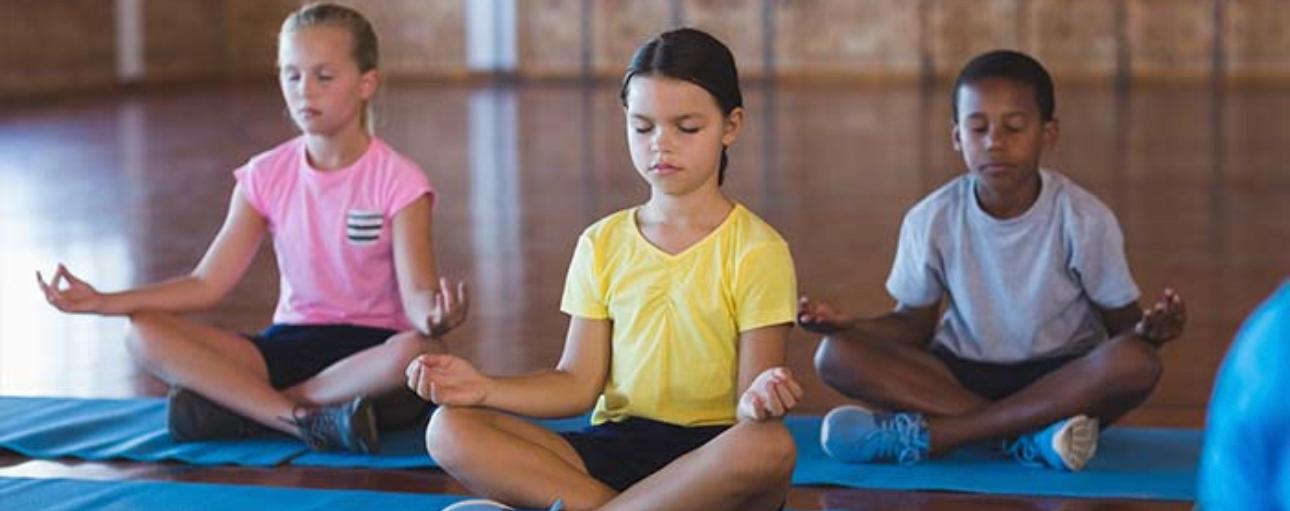
For children, whose stress-regulation systems are still maturing, meditation provides external scaffolding for internal regulation.
📌 Meditation functions as attention training embedded in emotional regulation.
Benefits of Meditation for Children
1. Nervous System Regulation (Autonomic Balance)Meditation directly supports autonomic regulation by:
- Reducing sympathetic nervous system activation
- Increasing parasympathetic (vagal) tone
- Stabilizing physiological arousal
2. Development of Self-Regulation & Effortful ControlMeditation requires children to:
- Sustain attention on a focal point (breath, sound, sensation)
- Inhibit impulsive reactions to distraction
- Gently redirect attention
- Executive attention
- Inhibitory control
- Cognitive flexibility
3- Emotion Regulation & Meta-Awareness
Meditation cultivates:
- Awareness of emotional states without immediate reaction
- Recognition of internal cues (thoughts, feelings, bodily sensations)
- Capacity to pause between stimulus and response
- Reduced emotional reactivity
- Improved frustration tolerance
- Adaptive coping strategies
4- Reduction of Anxiety & Stress Reactivity
Through repeated practice, meditation:
- Lowers baseline arousal
- Reduces rumination and worry
- Enhances emotional containment
- Anxious children
- Children with high stress sensitivity
- Trauma-exposed populations
5- Interoceptive Awareness & Mind–Body Integration
Meditation strengthens interoception—awareness of internal bodily states:
- Breath
- Heart rate
- Muscle tension
- Detect early signs of dysregulation
- Apply self-soothing strategies proactively
- Develop emotional literacy grounded in bodily experience
6- Executive Function & Attentional Control
Meditation improves:
- Sustained attention
- Working memory
- Error detection and self-correction
- Classroom learning
- Behavioral regulation
- Task persistence
7- Sense of Agency, Self-Efficacy & Emotional Mastery
Meditation teaches children:
“I can influence how I feel and respond.” This strengthens:
- Internal locus of control
- Self-efficacy
- Confidence in coping abilities
8- Social–Emotional Development & Empathy
Practices such as loving-kindness or compassion meditation:
- Increase empathy
- Support prosocial behavior
- Enhance emotional attunement
9- Trauma-Informed & Neurodiversity-Affirming
Meditation:
- Can be brief and flexible
- Does not require verbal disclosure
- Can be adapted to sensory and attentional needs
- Neurodivergent children
- Children with trauma histories
- Children with limited emotional language
10- Mental Health & Preventive Impact
Accumulating evidence suggests meditation:
- Reduces internalizing symptoms
- Supports mood stability
- Enhances stress resilience
Why Meditation Is Developmentally Powerful
Meditation uniquely integrates:
- Attention regulation
- Emotional awareness
- Physiological calming
- Cognitive flexibility
- Self-agency
Applications in Developmental Contexts
Meditation is well-suited for:
- School-based SEL and mental-health prevention
- Anxiety-reduction programs
- Trauma-informed education
- Neurodiversity-affirming interventions
- Family-based regulation routines
Opening Hours
Monday
08:00 AM - 06:00 PM
Tuesday
08:00 AM - 06:00 PM
Wednesday
08:00 AM - 06:00 PM
Thursday
08:00 AM - 06:00 PM
Friday
08:00 AM - 06:00 PM
Saturday
08:00 AM - 06:00 PM
Sunday
08:00 AM - 06:00 PM
Book Appointments
Our Belief
We believe that when children are given space to play, create, and express themselves mindfully, they develop the emotional skills needed to feel safe, confident, and connected. Through play and art, therapy becomes a place of exploration, healing, and growth.