
Stay Connected
Subscribe for Mental Health Tips Now!
Nunc imperdiet odio et urna dign issim, sit amet sagittis ex que.
Call us anytime
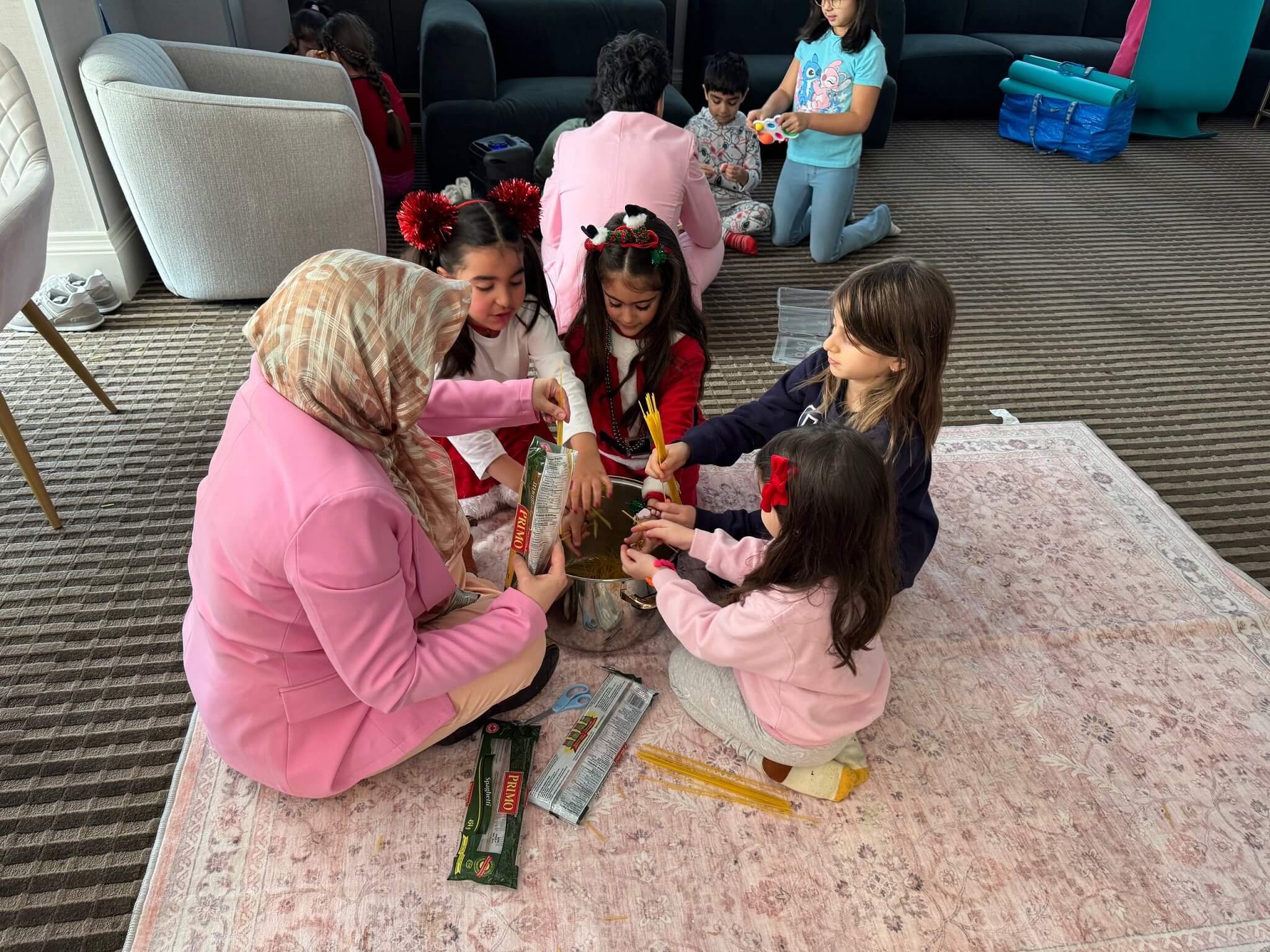
Developmental Benefits of Cooking & Baking for Children
1- Executive Function & Self-RegulationCooking and baking are among the most developmentally rich everyday activities because they require:
- Planning and sequencing
- Working memory (tracking steps, quantities, timing)
- Inhibitory control (waiting, safety, impulse modulation)
- Cognitive flexibility (adjusting when outcomes differ)
- Effortful control
- Attention regulation
- Persistence
2- Emotion Regulation Through Structure & RhythmCooking and baking regulate affect by:
- Providing predictable routines
- Offering rhythmic, repetitive actions (stirring, kneading, measuring)
- Anchoring attention in embodied, present-moment tasks
- Anxiety
- Emotional reactivity
- Cognitive rumination
3- Tolerance for Delay, Frustration & UncertaintyChildren learn to:
- Wait for outcomes (baking time, cooling)
- Accept variability (texture, taste, appearance)
- Repair mistakes (adjust seasoning, start over)
- Frustration tolerance
- Emotional flexibility
- Growth-mindset development
4- Sense of Agency, Competence & Mastery
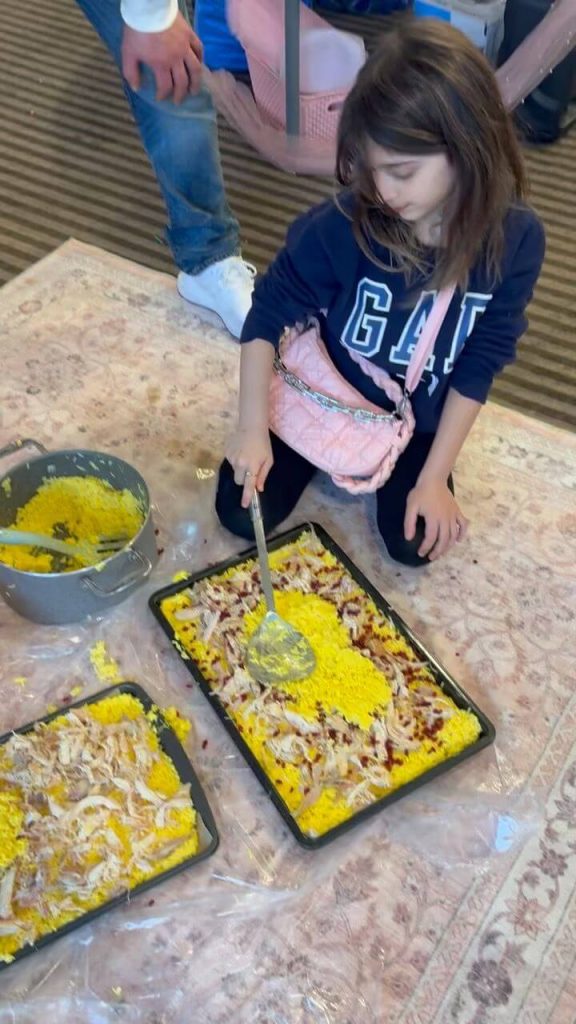
Cooking and baking provide immediate and meaningful cause-and-effect experiences:
“My actions transform raw materials into something valuable.”
This strengthens:
- Self-efficacy
- Internal locus of control
- Mastery motivation
📌 Central to self-determination theory (competence, autonomy, relatedness).
5- Social Development & Co-Regulation
Cooking and baking are inherently relational:
- Shared goals encourage cooperation
- Turn-taking supports impulse control
- Adult–child co-regulation occurs naturally
The shared outcome (food) reinforces:
- Empathy
- Belonging
- Social competence
6- Language, Narrative & Cognitive Sequencing
These activities elicit:
- Procedural language (“first, then, next”)
- Descriptive vocabulary (taste, texture, temperature)
- Temporal reasoning (before/after, cause–effect)
Baking particularly reinforces symbolic and abstract thinking, as changes occur over time and out of sight (oven).
7- Embodied Cognition & Sensory Integration
Cooking and baking integrate:
- Tactile, olfactory, visual, proprioceptive input
- Fine and gross motor coordination
- Body-based learning linked to cognition
This supports:
- Sensory modulation
- Body awareness
- Emotional grounding
📌 Especially beneficial for neurodivergent children.
8- Moral, Cultural & Identity Development
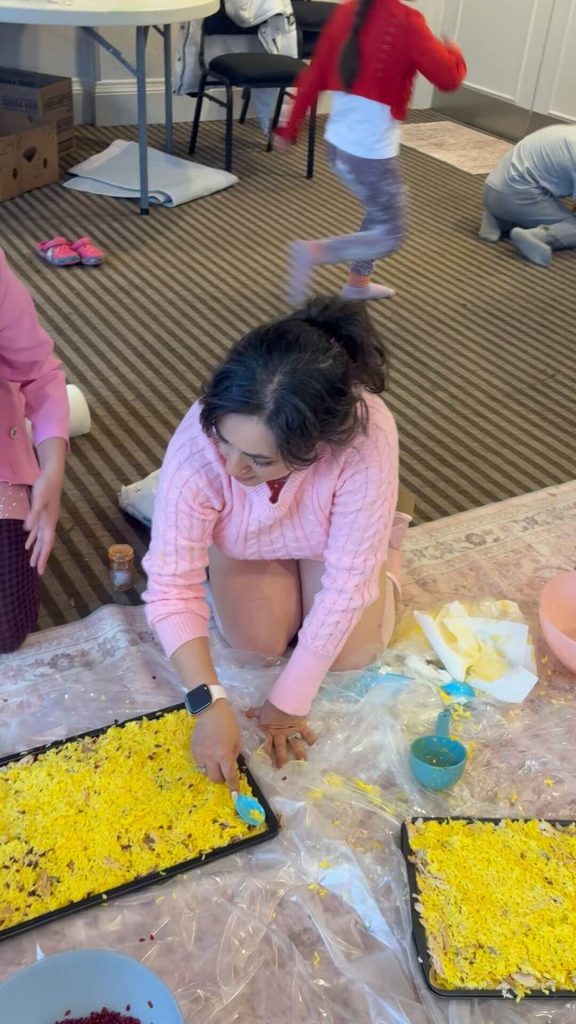
Cooking and baking connect children to:
- Cultural traditions
- Family narratives
- Shared responsibility and care
Preparing food for others promotes:
- Prosocial behavior
- Moral reasoning
- Identity formation
9- Mental Health & Preventive Impact
As structured, meaningful activities, cooking and baking:
- Reduce anxiety through predictability
- Increase positive affect and pride
- Provide non-stigmatizing mental-health support
They function as protective factors in developmental mental-health models.
Why Cooking & Baking Are Developmentally Distinct
They uniquely integrate:
- Executive control
- Emotional regulation
- Sensory integration
- Social connection
- Meaningful productivity
Few activities activate so many developmental systems simultaneously. Cooking and baking are well-suited for:
- School-based SEL programs
- Anxiety-reduction interventions
- Trauma-informed education
- Neurodiversity-affirming practices
- Family-based preventive mental-health models
Opening Hours
Monday
08:00 AM - 06:00 PM
Tuesday
08:00 AM - 06:00 PM
Wednesday
08:00 AM - 06:00 PM
Thursday
08:00 AM - 06:00 PM
Friday
08:00 AM - 06:00 PM
Saturday
08:00 AM - 06:00 PM
Sunday
08:00 AM - 06:00 PM
Book Appointments
Our Belief
We believe that when children are given space to play, create, and express themselves mindfully, they develop the emotional skills needed to feel safe, confident, and connected. Through play and art, therapy becomes a place of exploration, healing, and growth.